
Key Takeaways
- Professional hvac installation in 2026 protects efficiency, comfort, manufacturer warranties, and your home comfort for the next 15 to 20 years.
- Our hvac installation service covers central air conditioners, heat pumps, ductless mini splits, furnaces, air handlers, package units, and custom solutions for renovations or new builds.
- We size every hvac system with a Manual J Load Calculation, not guesses based on old equipment, house size, or outdated rules of thumb.
- We offer financing options, help customers access rebates and tax credits, and explain total cost of ownership before installation.
- You will know what to expect from estimate to final walkthrough: consultation, system selection, ac installation, commissioning, and follow-up maintenance.
Expert HVAC Installation for Lasting Comfort
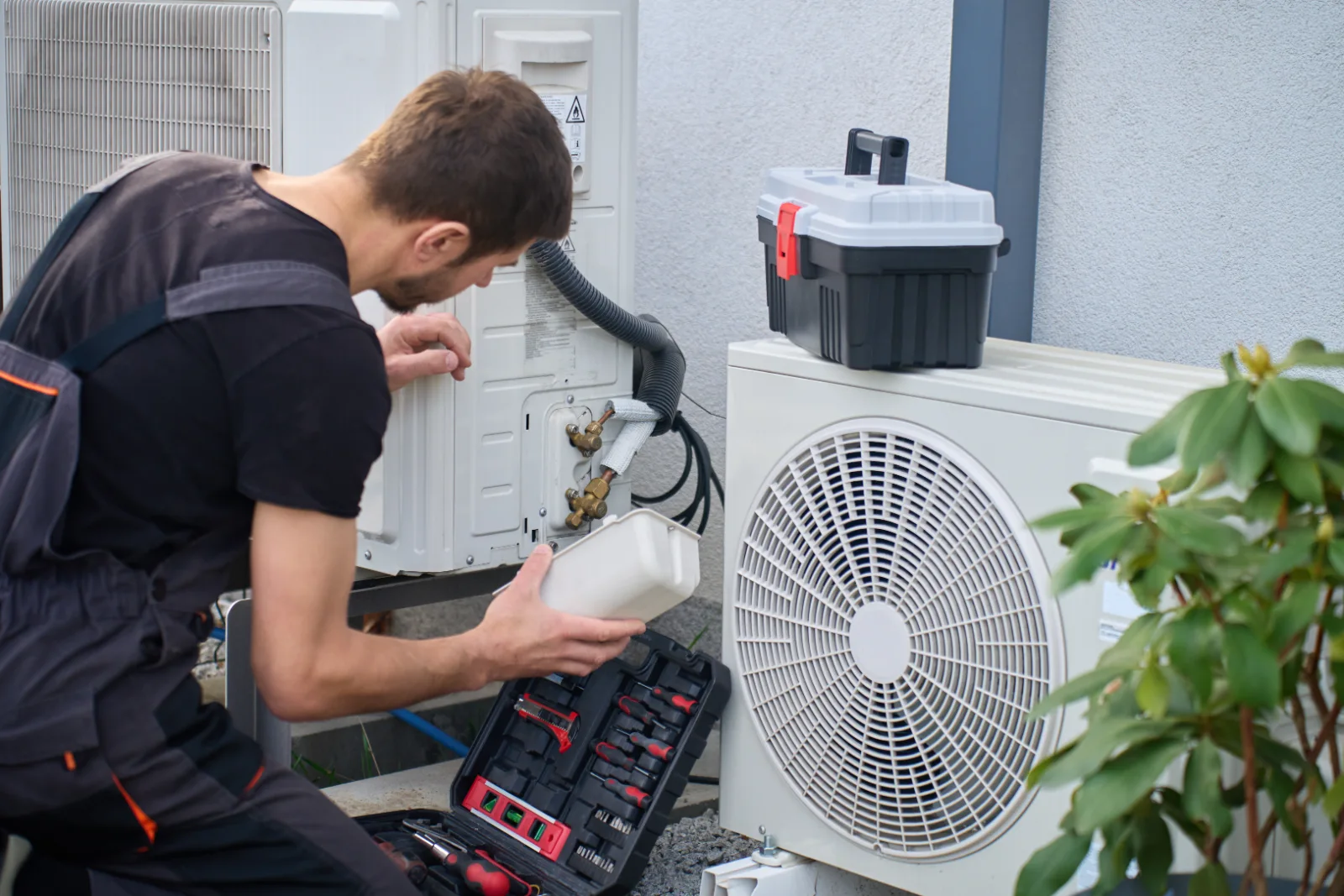
Correct HVAC installation often matters more than the air conditioner brand on the cabinet. A poor install can raise energy use by 20–30%, according to NIST-related industry research cited by Amana, while proper HVAC installation helps the system operate efficiently and effectively, leading to lower energy bills and improved comfort levels in the home.
Our licensed and insured technicians are trained on current hvac equipment, including 2024–2026 variable-speed systems, smart controls, low-GWP refrigerants, heat pumps, central air systems, furnaces, air handlers, boiler replacement planning, and ductless mini splits. Look for technicians certified by North American Technician Excellence (NATE) or HVAC Excellence; choosing a qualified HVAC service provider often involves checking certifications that indicate expertise in handling various HVAC systems and technologies. Ongoing training and education for HVAC technicians are essential to keep them updated on the latest technologies and best practices.
Every job follows local mechanical codes, manufacturer specifications, required electrical connections, and current efficiency standards. The installation process typically includes assessing the home for the right system size, removing the old unit, and installing the new system according to manufacturer specifications and local codes. We also value professionalism: on-time arrivals, clean work areas, permission before accessing attic or roof spaces, and completion in a timely manner.
Cooling Solutions: Air Conditioning and Ductless Mini Splits
Traditional air conditioning installation works well when existing ductwork is properly sized and sealed. A central air conditioner is often 2–5 tons for many homes, but a reputable professional will never give an accurate estimate over the phone and must conduct a Manual J Load Calculation to measure square footage, insulation, and window placement. Demand a Load Calculation from contractors to ensure appropriate system sizing rather than relying on outdated unit sizes. Never hire a technician who guesses system size based solely on house size; recommending a larger system solely based on your old unit’s size without running fresh calculations can lead to inefficiencies and increased costs.
For older homes, ac installation may include ductwork repair, sealing, resizing, or replacement to stop energy loss, hot rooms, noisy airflow, and high utility bills. We install major air conditioning brands and help customers compare a new air conditioner by SEER2 efficiency, noise, warranty, performance, and cost.
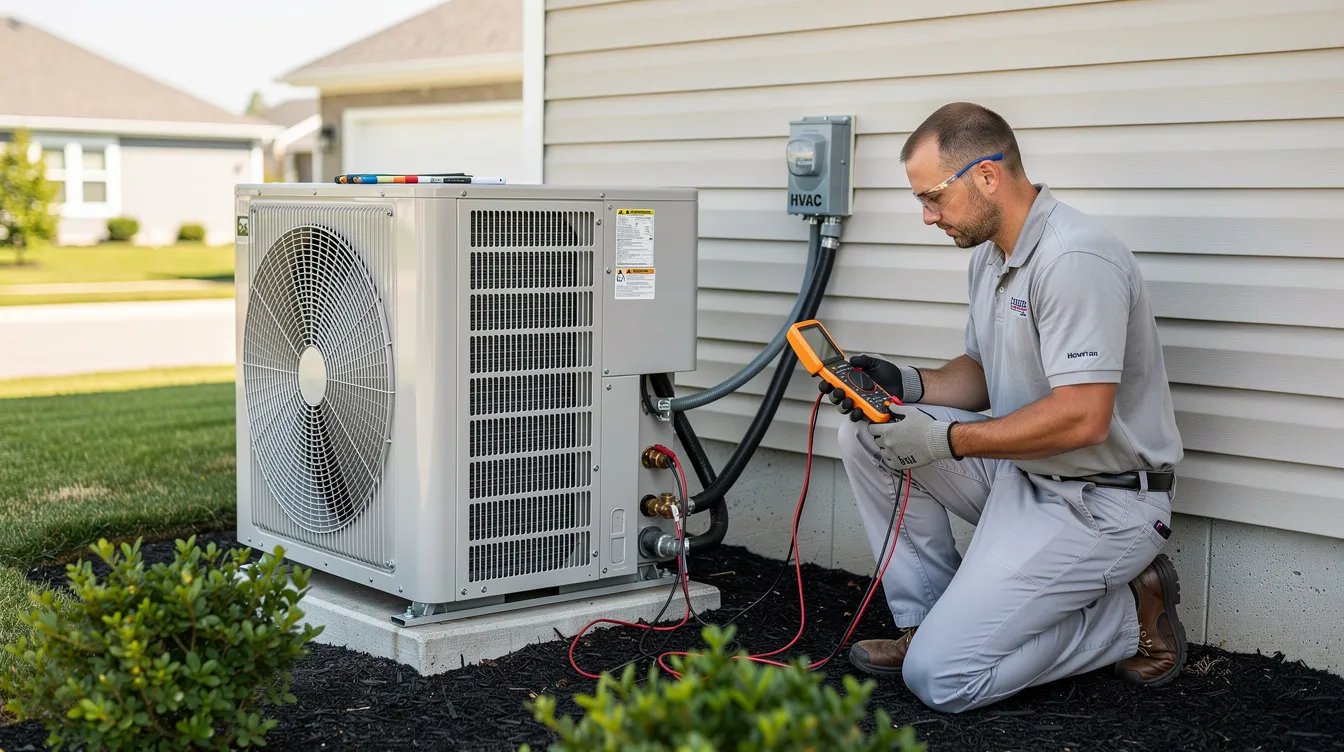
A ductless mini system is ideal when central air is not practical. Ductless mini-split systems are an efficient heating and cooling solution, ideal for spaces not connected to a central system, such as bonus rooms or garages. Ductless mini splits also work well for additions, remodeled attics, workshops, and homes without ducts. Benefits include quiet cooling, individual temperature control, high SEER2 ratings, and simpler installation than a complete ducted cooling system.
Heating Options: Furnaces, Heat Pumps, and Hybrid Systems
Modern heating and cooling systems often share components: ductwork, thermostat controls, and sometimes an air handler. A furnace remains a strong choice where gas is affordable; AFUE ratings show how much fuel becomes usable heating, and high-efficiency models often reach 95–98% AFUE.
Heat pumps are energy-efficient systems that can provide both heating and cooling, making them a versatile choice for homeowners. Cold-climate heat pumps can operate at very low outdoor temperatures, with many models maintaining useful capacity around 0°F to -13°F, depending on design. Geothermal heat pumps utilize the earth’s stable underground temperature to provide efficient heating and cooling, representing a sustainable energy solution.
A heat pump may beat a traditional furnace and air conditioner combo for customers focused on efficiency, emissions, and long-term money savings. Hybrid systems pair heat pumps with a furnace and automatically switch based on outdoor temperature and energy costs. Before replacing equipment, we compare operating cost, comfort, maintenance, and expected lifespan so you can choose the best system.
Custom HVAC Solutions and Smart Home Integration
No two homes have identical unique needs. We design custom HVAC solutions for new construction, renovations, historic homes, limited access spaces, and homes with difficult layouts. Zoning can divide a home into separate comfort areas with dampers or separate indoor units, helping save energy by avoiding over-conditioning unused rooms.
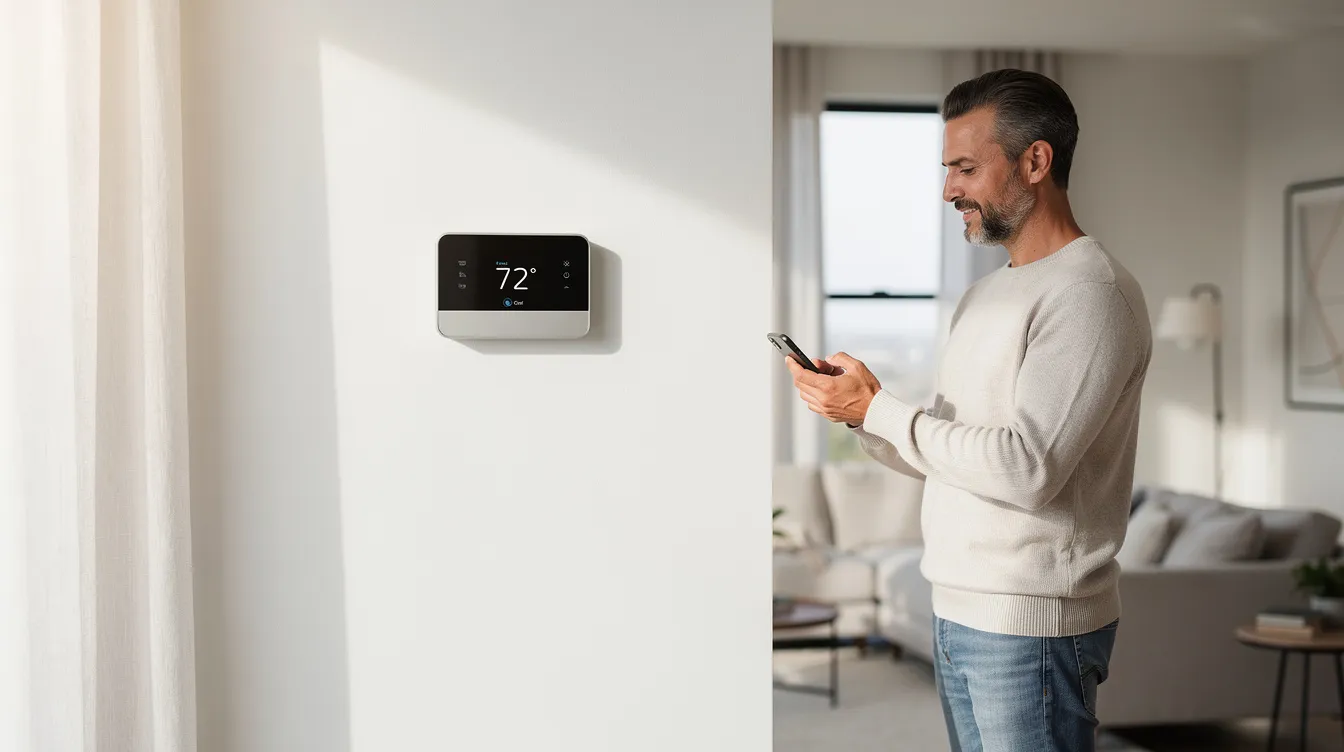
Smart thermostats can add Wi-Fi access, app control from a phone, learning schedules, alerts, and energy reports. Indoor air quality upgrades can be added during hvac installation, including humidifiers, dehumidifiers, advanced filters, and ventilation. We also consider insulation, window orientation, ceiling height, occupant lifestyle, roof exposure, and comfort complaints before recommending equipment.
Our HVAC Installation Process: From Estimate to Final Walkthrough
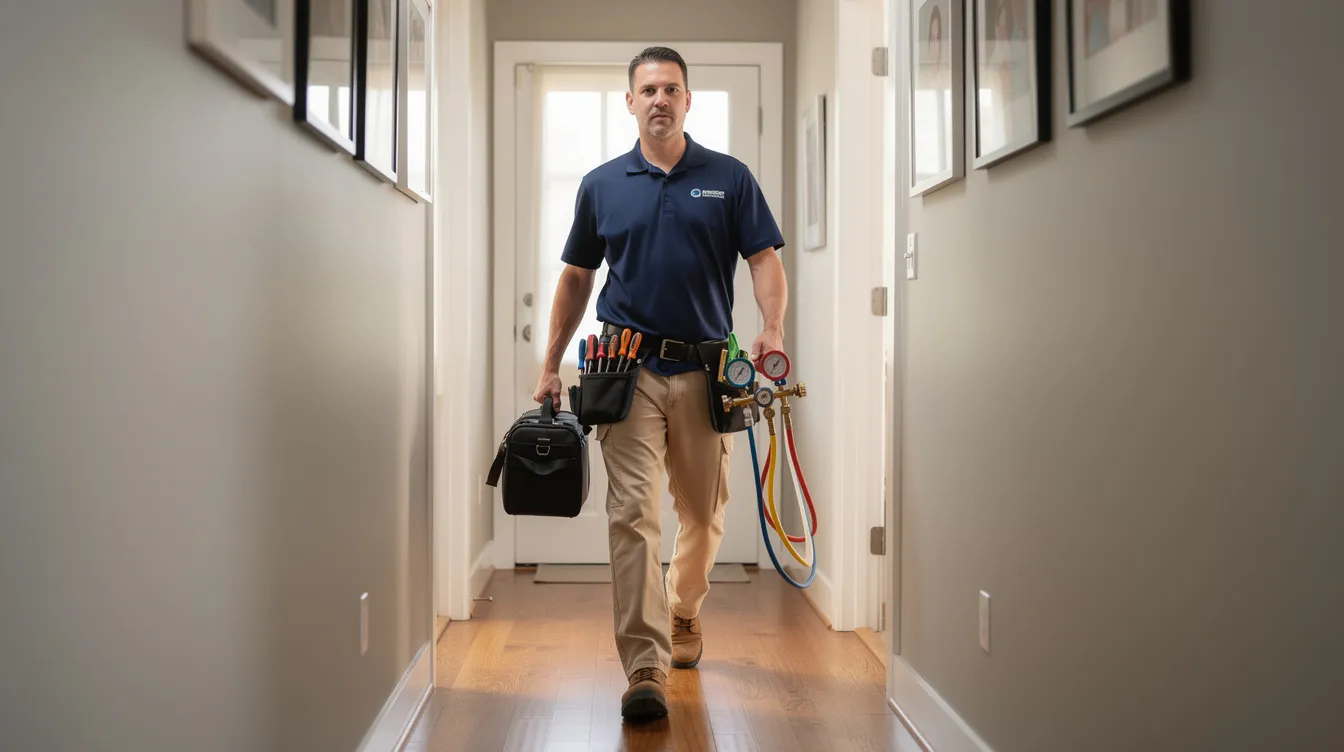
Here is what to expect before you schedule a new installation. First, we inspect the home, discuss comfort issues, review existing equipment, and perform load calculations. A reputable contractor should not rely on a quick phone quote; request itemized quotes from at least three different certified companies if you want to compare service, affordable pricing, and scope.
Request highly detailed bids outlining equipment models, labor costs, required permits, project timelines, and warranty terms. Our written estimate lists model numbers, efficiency ratings, labor details, permit items, and whether any ductwork, electrical connections, or thermostat changes are included-no vague line items or hidden fees.
On installation day, installers protect floors and furnishings, remove the old unit, install the new unit, connect electrical and refrigerant lines, test airflow, and verify system performance. We pull necessary city or county permits; refusing or discouraging pulling a city or county permit is a red flag because permits trigger a third-party safety inspection that protects you. Formal system commissioning post-installation ensures the system hits precise airflow, static pressure, and refrigerant levels specified by the manufacturer. We haul away old hvac equipment for disposal or recycling, then complete a walkthrough covering filters, controls, maintenance, tune ups, warranty paperwork, and how to contact us for repair or priority service.
Financing Options, Rebates, and Long-Term Value
A new hvac system is a major investment, but the right energy efficient equipment can reduce utility bills for years. Many HVAC companies offer financing options to help homeowners afford the installation of new systems, making comfort more accessible. Financing plans for HVAC installations can include low-interest loans, payment plans, or leasing options, allowing customers to spread the cost over time.
Some HVAC systems may qualify for rebates or tax credits, which can further reduce the overall cost of installation and improve affordability. We help customers identify utility rebates, manufacturer promotions, and incentive programs, then compare installation cost, estimated savings, maintenance needs, and lifespan. A professional HVAC installation can include a warranty on the equipment and a complimentary service plan for a specified period, ensuring ongoing support and maintenance after installation.
Before hiring any business, check Google Reviews; Google Reviews can provide insights beyond a single bad review, allowing you to see patterns in owner responses to negative feedback. Check reviews on platforms like Angi or Yelp to evaluate customer satisfaction and pricing. Use the Better Business Bureau (BBB) to look up the company’s official rating and see if they actively respond to and resolve customer complaints. Check crowdsourced community advice using neighborhood platforms for authentic feedback from neighbors, and check for patterns in how a contractor handles negative feedback before making a hiring decision. Prioritizing credentials, detailed quotes, and system knowledge protects your investment when choosing an HVAC contractor.
Frequently Asked Questions
How long does a typical HVAC installation take?
Most standard furnace and air conditioning installation projects take one full day. Complex new installations involving zoning, ductwork changes, multiple ductless mini splits, or package units may take two days or more. We provide a clear schedule with expected start and finish times.
Do I really need to replace my ducts when I get a new system?
Not always. Some ducts only need sealing or insulation. Older, leaky, damaged, or undersized ducts can waste energy and reduce comfort, so we recommend replacement only when ductwork affects safety, airflow, efficiency, or performance.
What size HVAC system do I need for my home?
System size depends on square footage, insulation, ceiling height, windows, local climate, and lifestyle. We perform a professional Manual J calculation instead of guessing, because oversized equipment can short cycle, increase humidity, waste money, and reduce comfort.
Can I control my new HVAC system from my phone?
Yes. Most new installations can include Wi-Fi smart thermostats that connect to smartphones and tablets. During installation, we can connect the thermostat to the home network, explain app access, and show you how to adjust temperature settings.
What warranties come with a new HVAC system?
Ask about both equipment warranties and whether the installer offers a labor warranty in case of improper installation. Manufacturer warranties often cover major parts for up to 10 years when registered, and some include extended compressor or heat-exchanger coverage. We register equipment when possible and explain the difference between manufacturer coverage and our labor warranty. For quick questions, you can call by phone, send an http or https service request through our website, or contact our team to schedule an estimate.
February 22, 2026
Contact Aloha Air Today!
When your air conditioning or heating system breaks down, you’ll appreciate the helpful, experienced, and friendly staff at Aloha Air Conditioning and Heating Services.
We’ll get your system up and running as quickly as possible. If we believe a replacement is a more cost-efficient option, we’ll be sure to let you know.
We’re always upfront with our pricing and never charge hidden fees. We also offer free estimates on any installation or replacement services.