When your air conditioner fails during a heatwave, guessing is expensive. This guide explains the common signs, likely causes, 2026 repair costs, safe homeowner checks, and when to schedule professional AC repair.
Key Takeaways
- Call for air conditioning repair when you notice weak airflow, warm air, strange noises, water leaks, high humidity, or frequent cycling.
- In 2026, many U.S. AC repair visits cost about $180–$900, with moderate jobs averaging $650–$800; the average cost of AC repair can fall around $772, depending on the issue and parts required.
- Prompt air conditioner repair by certified technicians can prevent high energy bills, compressor failure, condenser fan damage, and early system replacement.
- Before a service call, check the thermostat, breaker, dirty filter, clogged filters, and outdoor debris.
- Regular maintenance and early repair are the best ways to stay cool summer long and avoid more costly repairs.
AC Repair Service Overview
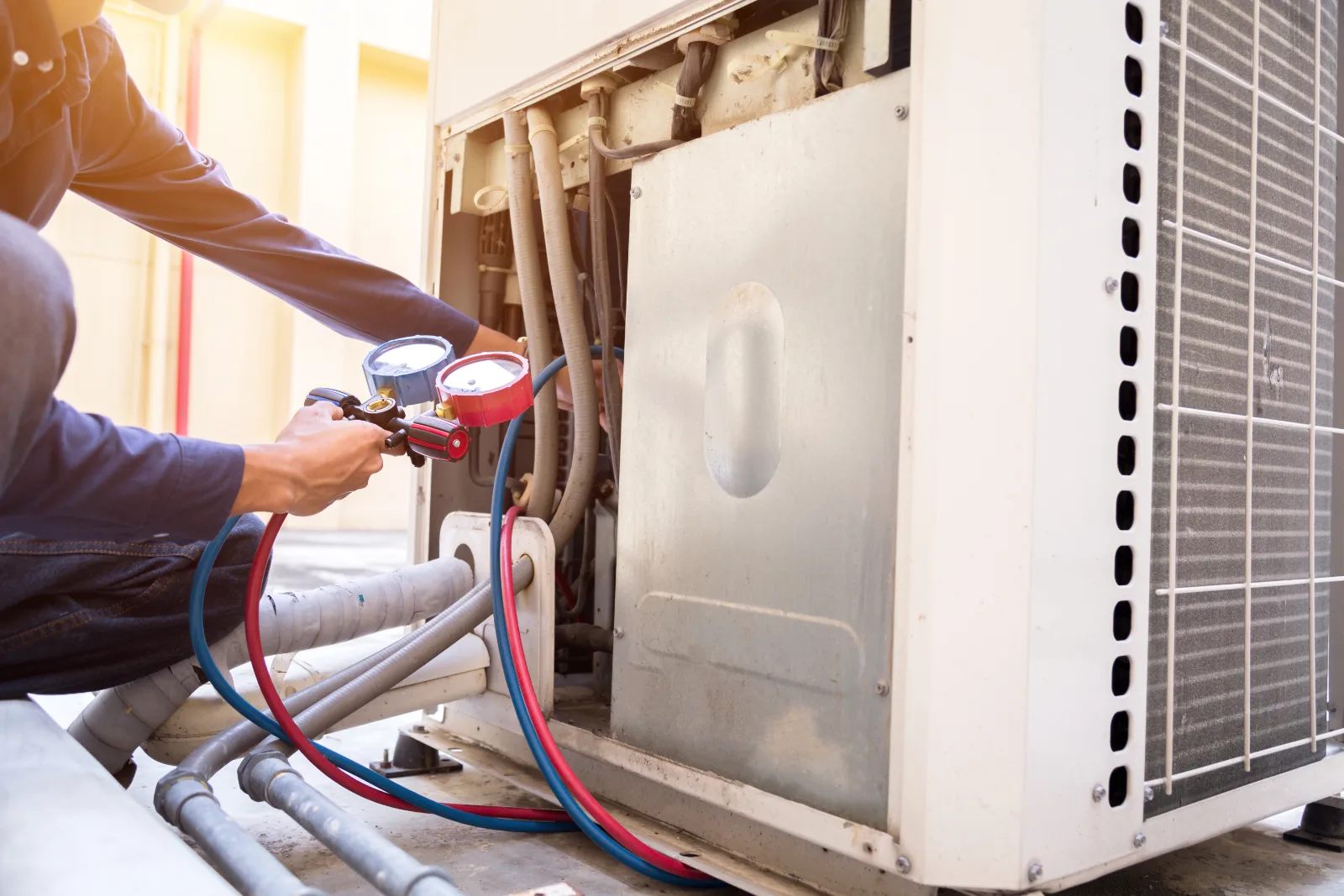
Modern air conditioning systems run thousands of hours per year, especially in hot, dusty climates. A 2026 residential air conditioning system usually has an outdoor condensing unit with a compressor, condenser fan, and condenser coil; the condensing unit houses the parts that release heat outdoors. Indoors, the air handler contains the blower motor and evaporator coil, while refrigerant lines and a thermostat connect the system.
Homeowners call air conditioning repair services for no cool air, short cycling, high humidity, tripping breakers, odors, unusual noises, or water around the AC unit. Many AC failures are actually simple power or communication issues, but repairing a malfunctioning air conditioning unit requires a systematic approach to isolate the issue before handling complex parts.
Professional AC repair includes safe diagnostics, 240-volt electrical work, refrigerant handling, and warranty-aware repairs. Reputable hvac services send experienced technicians in stocked vehicles so most repair services can fix the unit in one visit.
Need AC Repair in Memphis?
If your AC stops blowing cold air in the Memphis area, don’t wait for a complete breakdown. The licensed HVAC technicians at Aloha Air Conditioning provide fast diagnostics, honest recommendations, and reliable AC repair services throughout Memphis and surrounding communities. Call Aloha Air today or schedule service online for prompt assistance before a minor cooling issue becomes a major repair.
Common Signs You Need AC Repair
These common signs help you decide when an AC repair service is needed:
- Warm air from vents: If the indoor fan runs but warm air is blowing, or if ice builds up, restricted airflow is likely the cause. If your air conditioner is not producing cool air, it could indicate a refrigerant issue, a clogged air filter, or other problems that require repair.
- Weak airflow: Weak airflow from an air conditioning unit can make rooms feel stuffy and unevenly cooled, often resulting from blockages or mechanical failures, including a failing blower motor.
- Frequent cycling: Air conditioners typically should run steady, predictable cooling cycles; short-cycling puts stress on the compressor.
- Strange noises: Unusual noises such as banging or rattling when the AC is running can indicate a problem that needs to be addressed to prevent further damage. Strange noises from an air conditioning unit, such as banging or rattling, can signal internal issues.
- Leaks: If you notice water or refrigerant leaks around your AC unit, it is a clear sign that something is wrong and needs to be repaired. Leaks around the air conditioning system, whether water or refrigerant, can lead to significant damage over time and indicate a malfunctioning unit.
- High energy bills: High energy bills can indicate that an air conditioning system is working harder than it should, often due to dirty filters, old parts, or low refrigerant levels.
- Humidity: Experiencing high indoor humidity levels while the AC is running can indicate that the system is not functioning properly, as it should help control humidity.
Identification signs of electrical control failures include frequent circuit breaker trips and burning odors from vents. Ignoring minor issues can lead to costly repairs, especially in June–September.
Typical AC Repair Costs in 2026
Repair costs vary by city, brand, access, and replacement parts. Still, many homeowners in 2026 pay $200–$900 per visit, with nationwide moderate averages around $700–$800.
| Repair | Typical 2026 cost |
|---|---|
| Capacitor | $150–$350 |
| Contactor | $150–$300 |
| Condenser fan motor | $350–$800 |
| Refrigerant leak detection and recharge | $400–$1,200 |
| Compressor problem or replacement | $1,800–$3,500+ |
Ask for a written estimate showing parts, labor, and warranty. Very high quotes on older air conditioning units should trigger a repair-versus-replacement review.
Factors That Affect the Cost of Air Conditioning Repair
Online averages are only a starting point. Several factors influence the real cost: the age of the unit, the complexity of the repair, and whether parts need to be replaced or repaired.
Older systems may use phased-out refrigerant and harder-to-find parts. Newer systems may have better warranties but pricier electronics. A simple capacitor takes less time than a hidden refrigerant leak, condenser coil repair, or compressor replacement. Rooftop units, tight attics, and multi-story homes add labor.
Season matters too. Emergency air conditioning repair services during heatwaves often cost more.
Common Air Conditioner Repairs and Components
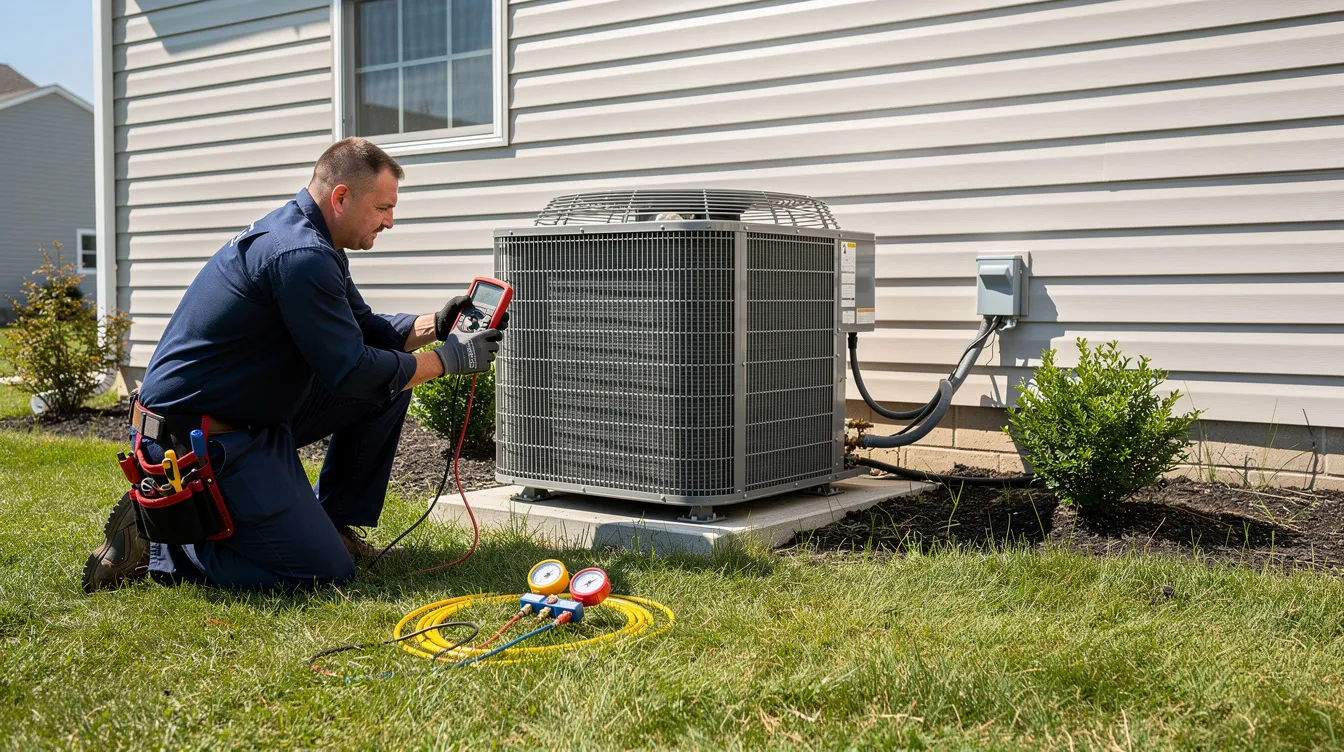
Here are the key components technicians inspect in common air conditioner repair jobs.
A capacitor stores energy to start the compressor and condenser fan. A failing capacitor can cause the outdoor unit to hum without the fan blade spinning, or the fan may only spin after manual assistance.
The contactor is the high-voltage relay. Burned contacts can stop the ac system or make it run unreliably.
Condenser fan issues include seized bearings, bent blades, or electrical components failing. These can cause overheating, loud rattling, or shutdowns.
Refrigerant leak and low refrigerant problems cause long run times, poor cooling, frozen coils, and more money spent on electricity. Frozen indoor coils can block heat absorption and halt the cooling process entirely.
Common air conditioner problems include dirty air filters, refrigerant leaks, failed capacitors, clogged condensate drains, and electrical control failures. A clogged condensate drain line can trigger a safety switch that cuts power to the thermostat. A clogged drain line causes water to back up and can shut down the entire system to prevent water damage. Dust and dirt can obstruct heat transfer by coating indoor and outdoor coils, and dirt, leaves, and grass clippings covering outdoor coils prevent the unit from releasing heat, reducing cooling efficiency.
DIY Checks vs. Professional AC Repairs
Before calling for professional AC service, try only safe checks:
- Confirm thermostat accuracy, mode, batteries, and set temperature.
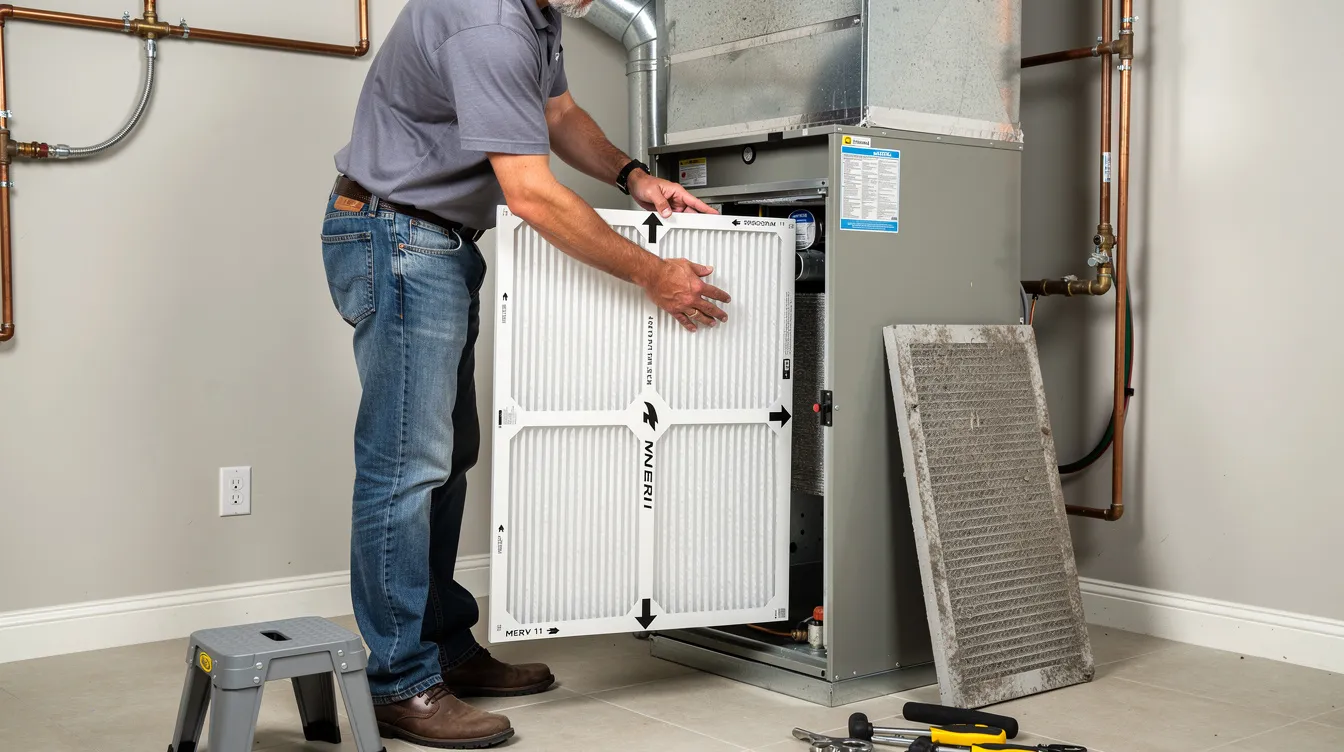
- Replace or clean the air filter.
- Make sure supply and return air vents are open.
- Clear leaves, grass, and debris from the condensing unit.
- Check the breaker and outdoor disconnect.
Leave complex repairs to certified technicians: opening panels, testing capacitors, replacing motors, rewiring controls, handling refrigerant, or replacing major components. Improper DIY air conditioner repair can void warranties, create shock or fire hazards, and damage the compressor. If unsure, stop and schedule service.
Not Comfortable Troubleshooting Your AC?
Not comfortable troubleshooting your system yourself? Aloha Air offers professional air conditioning diagnostics and repair services throughout the Memphis area. If you would rather have an experienced technician inspect the problem from the start, contact Aloha Air Conditioning for fast, professional service.
Benefits of Timely AC Repair and Routine Maintenance
Fast air conditioning repair does more than restore comfort. Professional AC repair helps your system run efficiently, improving overall comfort and reducing energy consumption. Timely AC repair can prevent small issues from escalating into major problems, saving homeowners from costly repairs in the future.
Repairing issues like refrigerant leaks and airflow restrictions can enhance the performance of your AC system, leading to more consistent cooling throughout your home. A well-maintained cooling system can use 10–30% less electricity than one with dirty coils, weak capacitors, or low refrigerant.
Routine maintenance once or twice per year helps protect indoor air quality, the drain pan, coils, filters, blower parts, and energy efficiency. It also helps catch common air conditioning problems before the system requires frequent repairs.
Protect Your AC Before Small Problems Become Expensive Repairs
One of the easiest ways to reduce the risk of emergency breakdowns is through routine HVAC maintenance. Aloha Air Conditioning offers professional maintenance services that help improve efficiency, extend equipment life, and catch small issues before they become costly repairs.
How to Choose a Reliable Air Conditioning Repair Service
The right company protects safety, warranties, and long-term cost. Look for licensed, insured repair technician teams.
Check 2024–2026 reviews, local references, and BBB ratings. Ask whether technicians arrive in marked vehicles, carry replacement parts, provide written estimates, and warranty both parts and labor. Also confirm they service central AC, ductless systems, packaged units, and heat pumps. If your system has frequent repairs or requires frequent repairs, ask for a replacement comparison before approving expensive work.
FAQ – Repairing of AC
How long does a typical AC repair take in 2026?
Many common repairs, such as capacitor or contactor replacement, basic thermostat problems, and small electrical fixes, take 60–90 minutes once the technician arrives. Hidden refrigerant leaks, drainage problems, or a condenser fan motor may take several hours. Compressor or coil jobs can take most of the day or require a return visit, especially during peak heatwaves.
Is it ever safe to run my AC if I suspect a problem?
Shut the air conditioning off if you hear banging or grinding, see ice on the lines, smell burning, or repeatedly trip breakers. Mild noise or slightly reduced cooling may not require an emergency shutdown, but inspection should happen soon. Running a serious fault can damage the compressor and electrical components.
How often should I schedule professional AC maintenance?
Schedule at least one visit per year, ideally in spring. Homes in hot, dusty, or coastal areas often benefit from spring and fall regular maintenance. These visits check coils, filters, electrical connections, condensate drainage, and overall system performance.
Can an older AC system be repaired, or should it always be replaced?
Older systems over 10–12 years can still be worth repairing for minor issues like thermostats, capacitors, and contactors. Replacement is often smarter when one repair reaches 30–40% of a new installation cost or when frequent repairs keep returning.
What can I do between professional visits to reduce AC repair needs?
Change filters every 1–3 months, keep two feet of clearance around the outdoor ac, remove debris near coils, use a programmable thermostat, seal obvious air leaks, and keep doors and windows closed while the air conditioning runs. These steps help save money and keep the system working properly.
Need AC Repair in Memphis? Contact Aloha AirConditioning Today
When your air conditioner stops blowing cold air, every hour can feel uncomfortable—especially during the hottest months of the year. While simple issues like thermostat settings or dirty filters can sometimes be resolved quickly, many cooling problems require professional diagnosis and repair.
The experienced HVAC team at Aloha Air provides dependable air conditioning repair, maintenance, and replacement services for homeowners throughout the Memphis area. Whether you’re dealing with weak airflow, warm air from the vents, refrigerant issues, frozen coils, or a complete system breakdown, our technicians are ready to help.
Don’t wait for a small cooling problem to become a major expense. Contact Aloha Air today to schedule professional AC service and get your home comfortable again.
March 26, 2026
Contact Aloha Air Today!
When your air conditioning or heating system breaks down, you’ll appreciate the helpful, experienced, and friendly staff at Aloha Air Conditioning and Heating Services.
We’ll get your system up and running as quickly as possible. If we believe a replacement is a more cost-efficient option, we’ll be sure to let you know.
We’re always upfront with our pricing and never charge hidden fees. We also offer free estimates on any installation or replacement services.