Key Takeaways
- If your AC system stops blowing cold air, start with simple checks: thermostat settings, breakers, filters, and the outdoor unit.
- Common 2026 summer problems like weak airflow, warm air at the vents, and incorrect thermostat settings can prevent cold air from reaching the house.
- Odd noises, leaks, foul odors, frequent cycling, and sudden energy bill spikes are usually a sign that your air conditioner needs repair before a full breakdown.
- Safe DIY checks are limited to filters, breakers, and thermostat settings. Refrigerant, electrical faults, and internal AC repairs should be handled by licensed technicians.
- Same-day or next-day service may be available, but emergency response times are worth asking about during peak summer heat.If your AC stops blowing cold air in the Memphis area, don’t wait for a complete breakdown. The licensed HVAC technicians at Aloha Air provide fast diagnostics, honest recommendations, and reliable AC repair services throughout Memphis and surrounding communities. Call Aloha Air today or schedule service online for prompt assistance before a minor cooling issue becomes a major repair.
Introduction: What to Do When Your AC Stops Blowing Cold Air
It is a hot June or July afternoon in 2026, the sun is hitting the roof, and your air conditioner suddenly stops blowing cold air. Within minutes, the comfort level inside your home changes. The vents may still be pushing air, but it feels lukewarm, weak, or completely wrong.
When an air conditioning system works normally, the thermostat calls for cooling, the compressor starts, refrigerant moves heat outdoors, and the vents deliver cool air back into the rooms. A central air conditioning unit does this through ducts and a return duct, while ductless models use indoor heads connected to an outdoor unit.
This guide will help you troubleshoot loss of cold air, understand the most common air conditioning problems, and know when professional air conditioning repair is the right next step. Most “no cold air” situations have identifiable causes, such as dirty filters, thermostat issues, frozen coils, blocked drain problems, or refrigerant leaks.
Quick Checks Before You Call for Air Conditioning Repair
Before you schedule air conditioning repair, there are a few same-day checks you can safely complete without tools. The goal is to confirm that nothing simple is preventing the AC from cooling.
Address issues by checking your air filters first, then scheduling a licensed HVAC technician to inspect for leaks, electrical faults, or failing components.
Here is a quick checklist.
- Check the thermostat settings.
Make sure the thermostat is set to “Cool,” the fan is on “Auto,” and the temperature is at least 3–5°F below the current room temperature. Confirm the display is on. If the screen is blank, replace the batteries or check power to the thermostat. - Check the electrical panel.
Look for a breaker labeled “AC,” “Air Handler,” “Outdoor Unit,” or “HVAC system.” If it is tripped, reset it once. If the breaker trips again when the air conditioning starts, stop there and call a tech. Repeated trips can point to a short, failing compressor, bad capacitor, or other electrical risk. - Inspect the air filters.
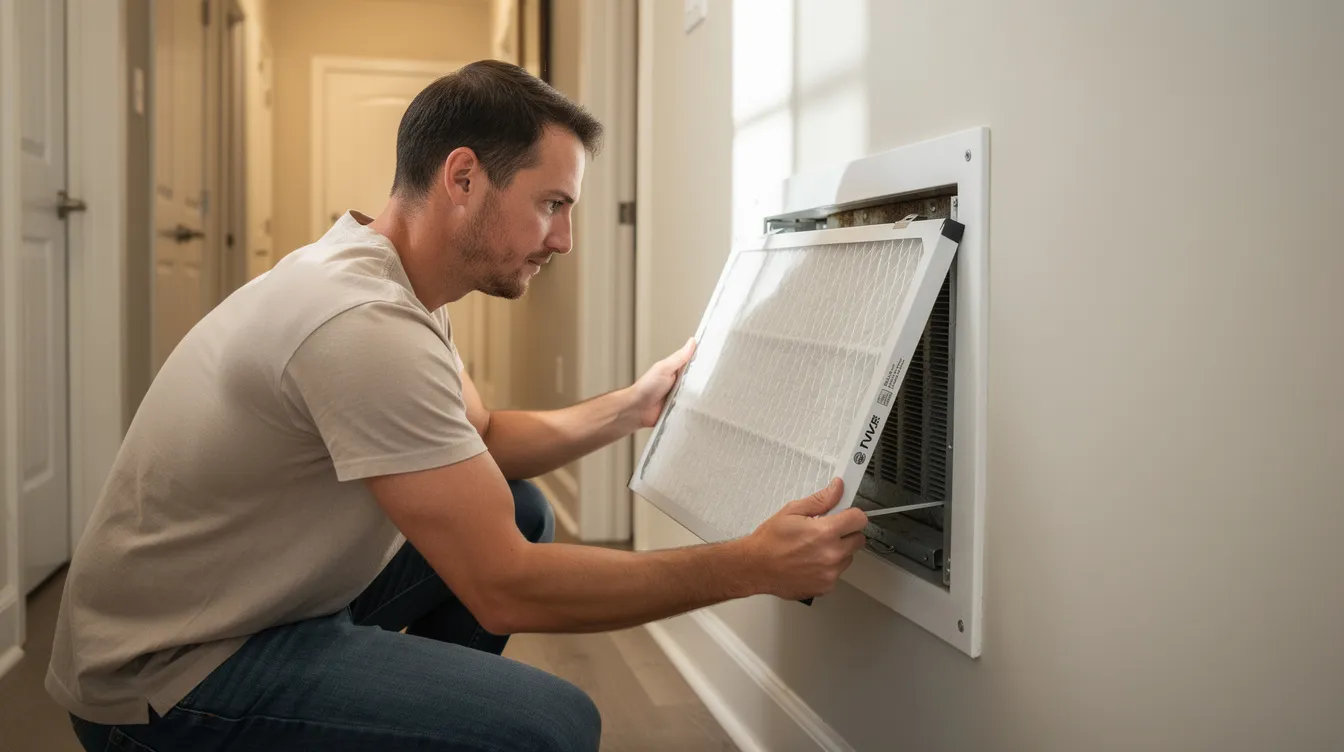
Dirty air filters can significantly reduce the efficiency of an air conditioning system and may cause it to stop blowing cold air altogether. Find the filter in the return grille or indoor air handler. If it is gray, clogged, bent, or packed with dust, replace it. - Look at the outdoor condensing unit.
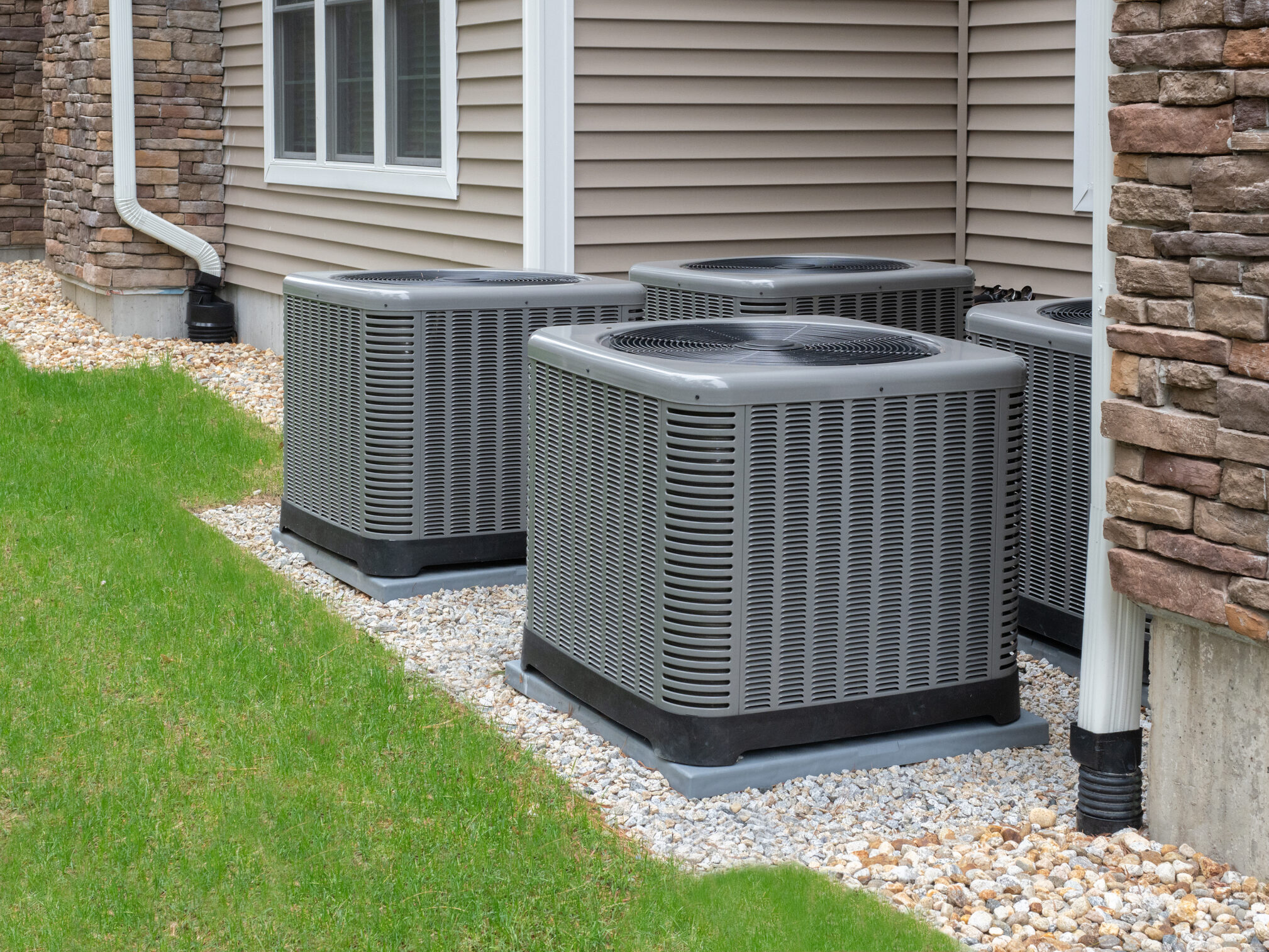
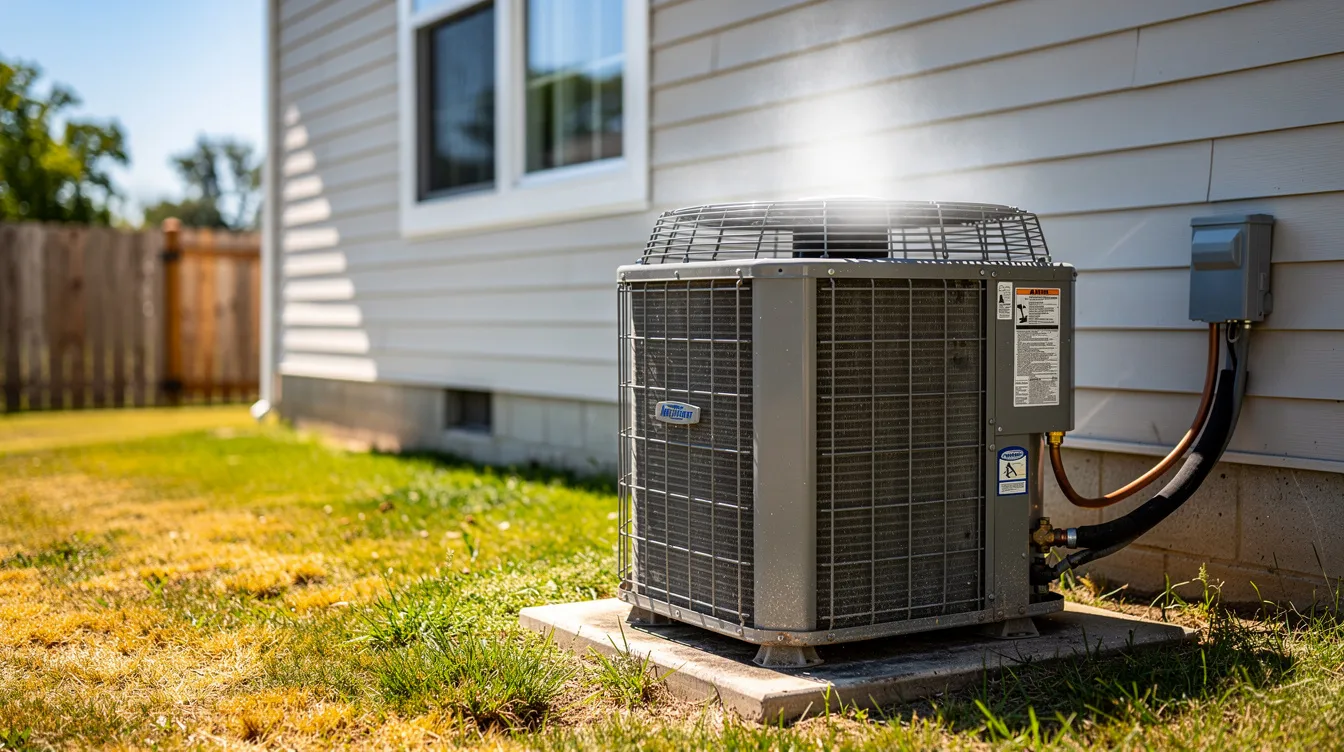
Confirm the fan is turning when the system is calling for cooling. Remove leaves, grass clippings, and debris around the unit. Keep at least 2 feet of open space on all sides so weeds, brush, fencing, or stored items do not block airflow. - Check the vents.
Make sure supply vents are open and not covered by rugs, furniture, curtains, or boxes from the store. Also check that the return duct area is not blocked, because the system needs enough air coming back in to cool properly. - Wait 15–20 minutes.
After changing filters or correcting thermostat settings, give the system 15–20 minutes. If the vents start blowing colder air, monitor performance. If warm air continues, schedule repair.
Not comfortable troubleshooting your system yourself? Aloha Air Conditioning offers professional air conditioning diagnostics and repair services throughout the Memphis area. If you would rather have an experienced technician inspect the problem from the start, contact Aloha Air for fast, professional service.
Common Reasons Your AC Is Not Blowing Cold Air
Once the basic checks are complete, warm air or weak cooling usually points to a deeper problem. Most of these issues require professional service because technicians use refrigerant gauges, electrical meters, temperature probes, and airflow testing to diagnose the system correctly.
Common causes include:
- Low refrigerant from leaks.
If the air conditioning system is blowing hot air, it may be due to a refrigerant leak or moisture entering the system, which can lead to corrosion and further damage. Refrigerant should not be “topped off” without finding the leak. - Frozen evaporator coils.
Frozen coils can occur when airflow is too low, filters are dirty, refrigerant is low, or the blower motor is failing. Ice can block airflow even more, which makes the cooling problem worse. - Dirty condenser coils.
The condenser coils outside release heat from the house. When coils are packed with dirt, cottonwood, grass, or debris, the unit cannot reject heat efficiently. That can lead to high pressure, overheating, and reduced performance. - Failed capacitors or contactors.
Capacitors help motors start and run. Contactors are electrical switches that send power to the outdoor unit. When either fails, the compressor or fan may hum, click, or fail to turn on. - Worn blower motors or airflow blockages.
Weak airflow from an air conditioning unit can indicate a blockage in the evaporator case or a failing blower motor, which may require inspection and repair. - Clogged condensate drains.
A blocked drain can trip a float switch and shut the system down. It can also cause water leaks, musty odors, or ceiling stains near the air handler. - Incorrect or failing thermostat controls.
A thermostat can cause short cycling, poor temperature readings, or operation that does not match the actual room conditions.
Your air conditioning system will usually give clear warning signs before it breaks down completely. Longer run times, higher utility bills, lukewarm air at the vents, and uneven room cooling often appear before a major failure in peak cooling season.
For refrigerant work, make sure the technician is properly certified. The U.S. Environmental Protection Agency explains refrigerant handling rules under EPA Section 608, which is why this is not a DIY repair.
Signs You Need Professional AC Repair Right Away
Some symptoms mean your air conditioner needs prompt help. Air conditioning systems typically require professional repair services when they exhibit signs of malfunction, such as inadequate cooling, unusual noises, or frequent cycling on and off.
Call for same-day assistance when you notice:
- The AC runs but never reaches the thermostat setpoint.
- Vents blow warm air instead of cold air.
- The outdoor unit turns on and off every few minutes.
- The breaker trips repeatedly when cooling starts.
- The unit makes grinding, buzzing, rattling, or screeching sounds.
- There are visible water leaks around the indoor unit or ceiling.
- Rooms cool unevenly even though vents are open.
- Energy bills spike suddenly without a clear reason.
Common signs your air conditioner needs repair include warm air blowing from vents, strange noises, foul odors, uneven room cooling, and sudden energy bill spikes.
Smells matter, too. A musty smell can indicate mold in the ducts or a clogged drainage system, while burning smells may point to electrical wire or component issues. If you smell burning, see smoke, or notice sparks, turn the system off and call a professional immediately.
If ice is visible on refrigerant lines or the indoor coil housing, switch the system off at the thermostat. Turn off the AC to prevent water damage if there is pooling or ice, and clear minor blockages in the condensate drain but seek a technician for refrigerant leaks. Running an iced-up system can damage the compressor, which is one of the most expensive parts to replace.
This is also where choosing the right company matters. Inquire about response times for emergency availability, as AC breakdowns often occur during peak summer heat.
If you’re experiencing any of these symptoms, don’t wait until your system stops working completely. Aloha Air Conditioning offers responsive AC repair services designed to get your cooling system back up and running as quickly as possible. Contact our team today to schedule an inspection and avoid more expensive damage later.
How Professional Air Conditioning Repair Typically Works
When you book AC repair in 2026, the process is usually straightforward. Many companies allow you to call, book online, upload a photo, confirm a service window, and receive a text when the technician is on the way. Some providers include the technician’s name, arrival estimate, and photo before the appointment.
During the visit, the technician will ask what happened. For example:
- “AC not blowing cold air”
- “No airflow”
- “Unit won’t turn on”
- “Outdoor unit is making noise”
- “The heat pump is cooling poorly”
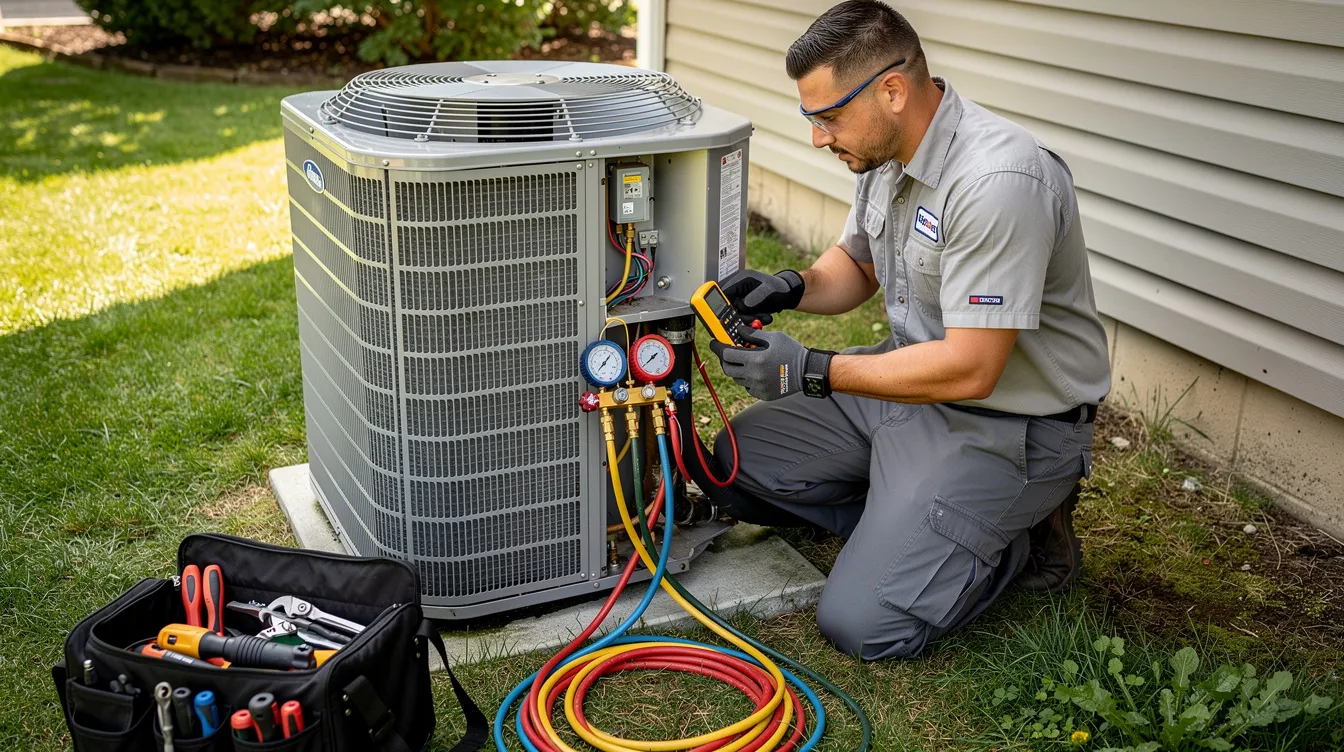
Then the tech will inspect indoor and outdoor components of the hvac system. That may include checking thermostat operation, measuring refrigerant pressure, testing capacitors and contactors, confirming voltage, inspecting coils, checking airflow, and looking for leaks or drain issues.
At Aloha Air, every service call begins with a thorough system evaluation and a clear explanation of the problem. Our goal is to help homeowners make informed decisions with upfront recommendations and no unnecessary repairs.
Reliable companies provide clear, itemized pricing before starting any work to avoid hidden fees. A good technician should explain what is wrong, why it happened, what repair options are available, and whether the work can be completed during the same visit.
Before approving the job, confirm these points:
| What to ask | Why it matters |
|---|---|
| Are your technicians licensed? | Ensure technicians hold necessary state or local HVAC licenses |
| Is pricing upfront? | This helps avoid surprise charges after the repair is complete. |
| Are parts and labor guaranteed? | Look for companies that stand behind their work with guarantees on parts and labor. |
| How fast can you respond? | Peak heat can create long wait times for emergency service. |
| Is replacement a better option? | Older models or major compressor failures may not be worth repairing. |
After the repair, the technician should test the system, confirm it is blowing cold air again, and review warranty or guarantee details. If something is still wrong, a professional team should diagnose it before leaving.
Preventive Maintenance to Keep Your HVAC System Blowing Cold Air
The best way to avoid surprise AC repair is regular maintenance. Air conditioner maintenance improves the efficiency of the unit, helping to save energy and reduce costs. It also helps restore performance before small problems become expensive emergencies.
One of the easiest ways to reduce the risk of emergency breakdowns is through routine HVAC maintenance. Aloha Air offers professional maintenance services that help improve efficiency, extend equipment life, and catch small issues before they become costly repairs.
Many HVAC professionals recommend that air conditioning systems be serviced at least once a year to ensure optimal performance and to catch potential issues early. Annual maintenance for air conditioning should include scheduling a professional technician tune-up.
A good yearly tune-up may include:
- Cleaning condenser coils and evaporator coils
- Checking refrigerant levels and looking for leaks
- Testing capacitors, contactors, and electrical connections
- Calibrating thermostat settings
- Cleaning the condensate drain
- Inspecting belts where applicable on certain equipment
- Checking blower performance and airflow
- Verifying safe operation of heating and cooling components
Seasonal tune-ups for air conditioning units can maximize energy efficiency and prolong equipment life. Many companies offer regular tune-ups as part of maintenance programs to extend equipment life and prevent future emergencies.
Bi-Annual maintenance for air conditioning includes clearing weeds and brush from outdoor units. This is especially important before and during heavy cooling seasons because vegetation and debris around the outdoor unit reduce heat transfer.
You should also replace or clean filters every 1–3 months during heavy cooling periods. Homes with pets, smokers, high dust, or ongoing renovation work may need more frequent filter changes.
Regular maintenance of HVAC systems can extend their lifespan to an average of 15 years. Regular inspections and timely repairs can significantly extend the lifespan of an air conditioning system, which can average around 15 years with proper maintenance.
Here are a few habits that protect efficiency and comfort:
- Keep at least 2 feet of clearance around the outdoor unit.
- Do not store tools, toys, lawn equipment, or boxes near the condenser.
- Use programmable or smart thermostats to avoid overcooling.
- Inspect vents for weak airflow during hot weather.
- Schedule spring maintenance before peak summer demand.
- Contact a professional early if cooling performance changes.
Think of it like maintenance for cars: small service visits prevent bigger failures. The same idea applies to plumbing, heating, and cooling systems in your house. A minor issue does not always matter at first, but if it continues, wear can spread to leading components and create a larger repair bill.
For additional seasonal guidance, ENERGY STAR offers homeowner tips for maintaining heating and cooling equipment.
FAQs About AC Repair and Cold Air Problems
Why is my AC running but not blowing cold air from the vents?
Common causes include low refrigerant from a leak, dirty air filters restricting airflow, frozen evaporator coils, dirty coils, or a failing compressor. A licensed technician can test refrigerant pressure, airflow, electrical components, and temperature split to confirm what is wrong.
Is it safe to run my air conditioner if it’s not blowing cold air?
Usually, no. Running an air conditioner without cold air can overheat the compressor, waste energy, and make existing damage worse. If basic troubleshooting does not fix the issue within 15–20 minutes, turn the system off and schedule service.
How long does a typical home AC repair take?
Many straightforward repairs, such as replacing a capacitor, cleaning coils, clearing a blocked drain, or correcting thermostat issues, can be completed in 1–3 hours. More complex repairs involving refrigerant leaks, major electrical faults, or compressor replacement may require a follow-up visit.
When should I replace my air conditioner instead of repairing it?
Replacement may make more sense if the air conditioner is over 10–15 years old, needs frequent repairs, uses outdated refrigerant, or has a failed compressor. A technician can compare repair cost, efficiency, warranty coverage, and expected future performance.
Will changing my thermostat settings really affect how cold the air feels?
Yes. Thermostat settings determine how long and how often the system runs. A setting that is too high may leave rooms warm, while an extremely low setting can cause long run times and may contribute to coil freezing. Proper settings help maintain steady cold air and protect the hvac system.
Need AC Repair in Memphis? Contact Aloha Air Conditioning Today
When your air conditioner stops blowing cold air, every hour can feel uncomfortable—especially during the hottest months of the year. While simple issues like thermostat settings or dirty filters can sometimes be resolved quickly, many cooling problems require professional diagnosis and repair.
The experienced HVAC team at Aloha Air provides dependable air conditioning repair, maintenance, and replacement services for homeowners throughout the Memphis area. Whether you’re dealing with weak airflow, warm air from the vents, refrigerant issues, frozen coils, or a complete system breakdown, our technicians are ready to help.
Don’t wait for a small cooling problem to become a major expense. Contact Aloha Air Conditioning today to schedule professional AC service and get your home comfortable again.
April 15, 2026
Contact Aloha Air Today!
When your air conditioning or heating system breaks down, you’ll appreciate the helpful, experienced, and friendly staff at Aloha Air Conditioning and Heating Services.
We’ll get your system up and running as quickly as possible. If we believe a replacement is a more cost-efficient option, we’ll be sure to let you know.
We’re always upfront with our pricing and never charge hidden fees. We also offer free estimates on any installation or replacement services.